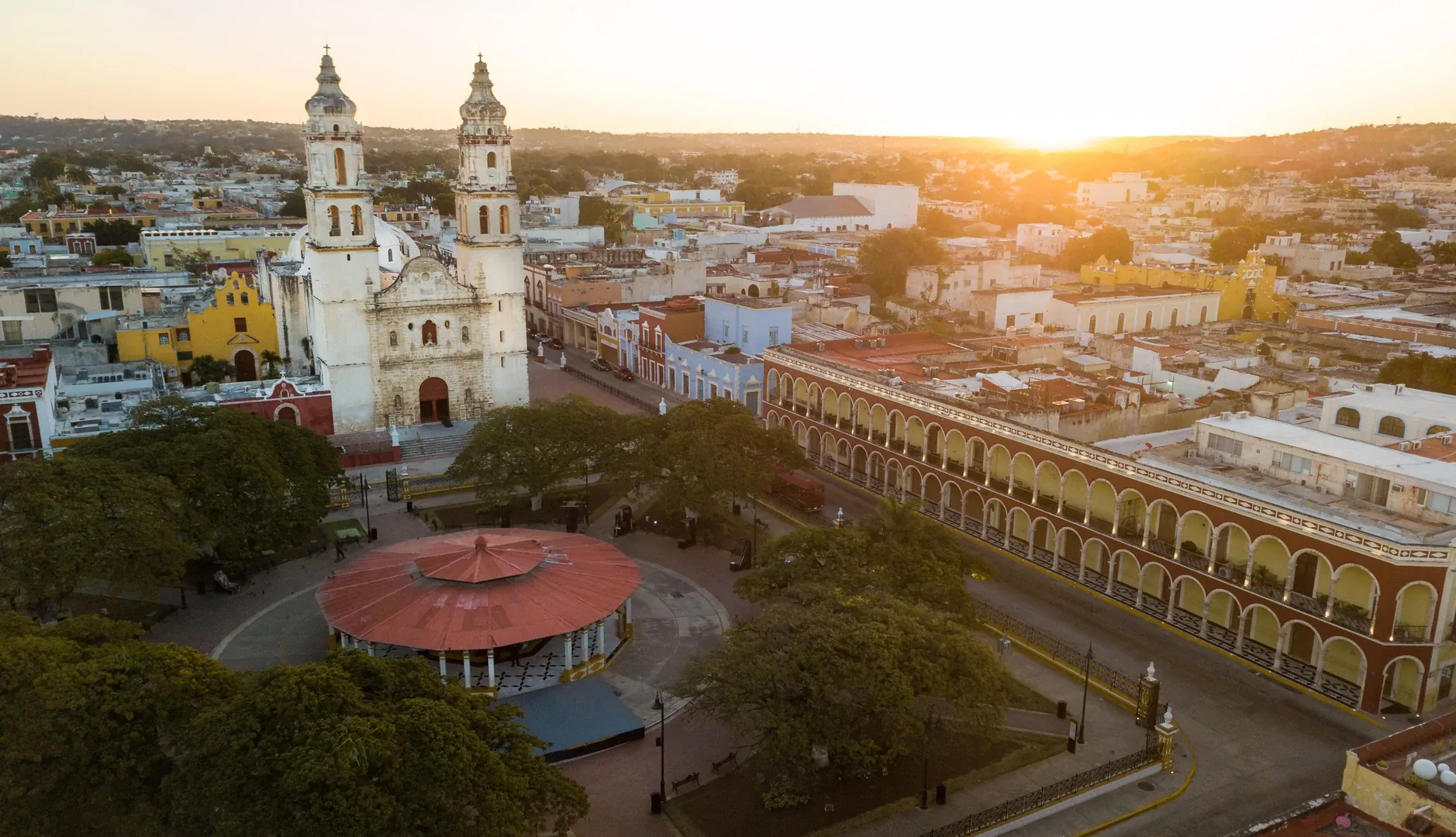
The real Campeche does not fit inside its walls. If the walled enclosure was the city's defensive, aristocratic heart, it was the five traditional neighbourhoods, San Román, Guadalupe, San Francisco, Santa Ana and San Martín, that gave it its soul. They grew up beyond the walls, each around its own church, and in their streets of low, brightly coloured houses the everyday life the wall never contained still beats on.
To walk them is to read the city like an open book: a lesson in urban history, cultural mixing and vernacular architecture.
Why the neighbourhoods were born
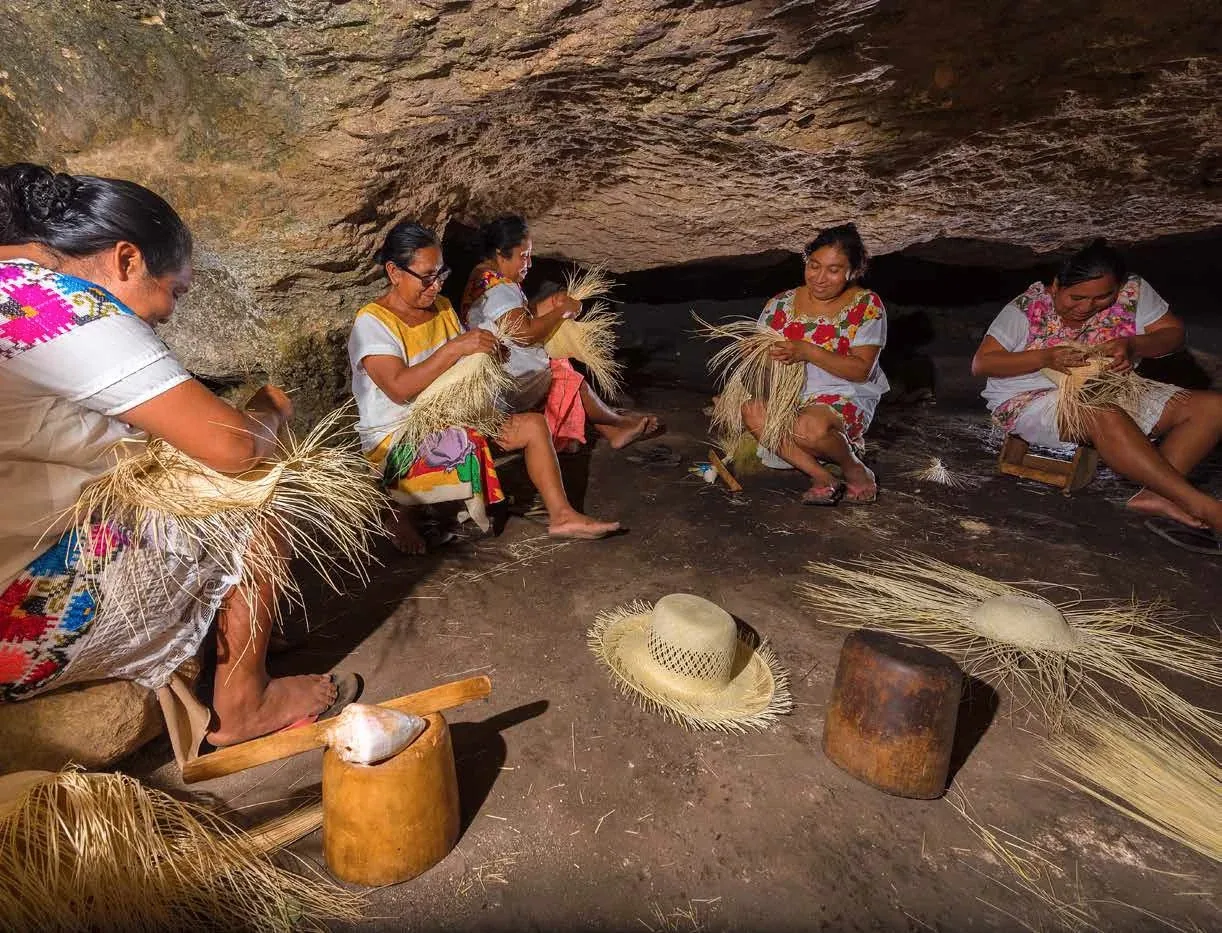
The Spanish elite lived inside the walls. But the port ran on a far more diverse population, Indigenous Maya, mestizo and of African descent, that settled just outside, around the churches the friars raised as centres of evangelisation. So the neighbourhoods arose: communities with their own identity, particular trades and patron-saint festivals still celebrated each year.
San Francisco: the founding neighbourhood
It is the oldest. Here, by tradition, the first Mass on the American mainland was celebrated in 1517, and the first church built. The church of San Francisco, sober and full of light, marks the spot where it all began. Its streets keep a calm, harbour-side air.
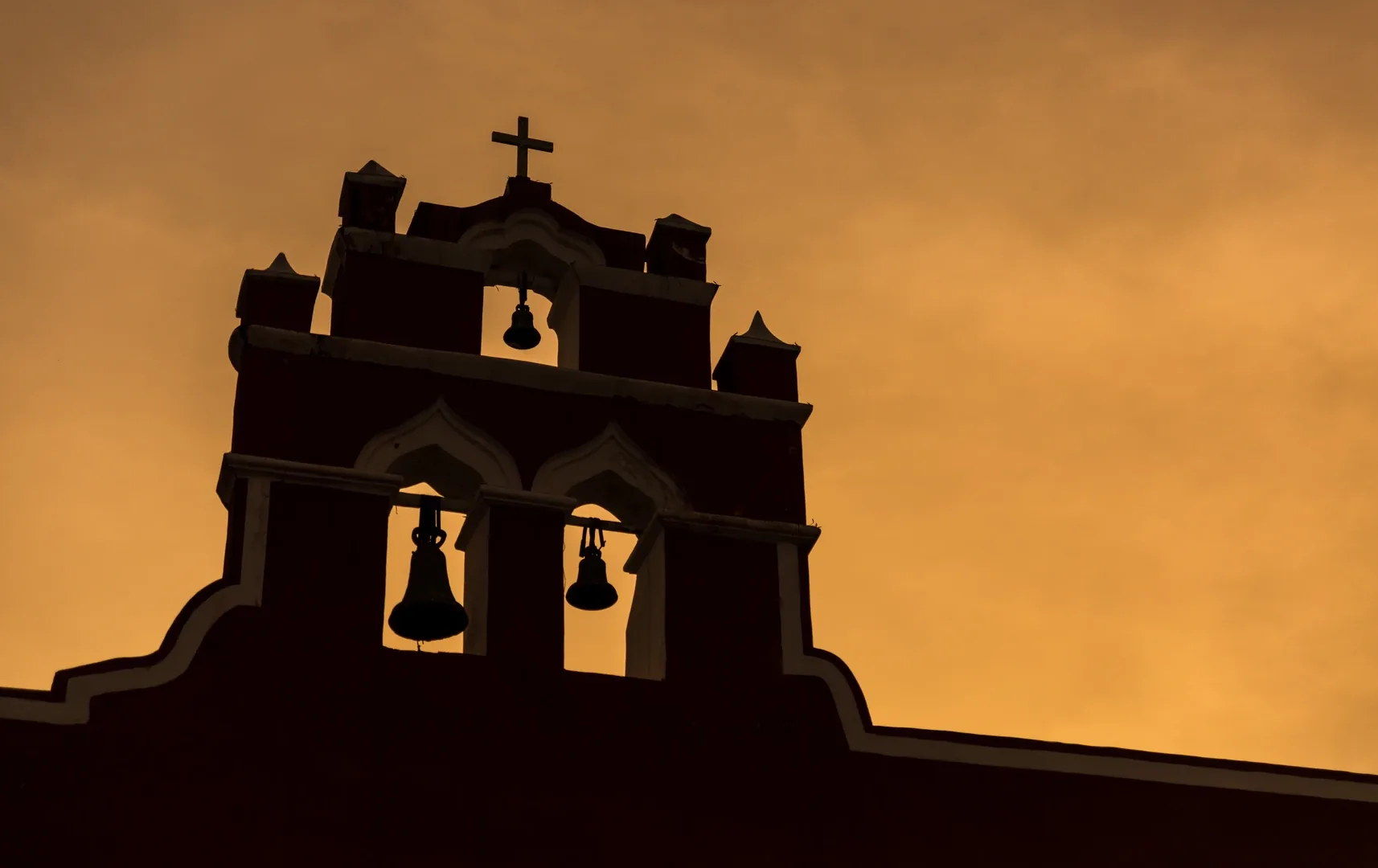
The bell-gable of San Francisquito against the sunset. · Credit: Gustavo Costa
San Román and the Black Christ
San Román is home to one of Campeche's most cherished devotions: the Black Christ, an image brought from Veracruz in 1565 whose feast each September fills the neighbourhood with fervour and fair. It is also one of the most characterful fishermen's barrios, a step from the sea.
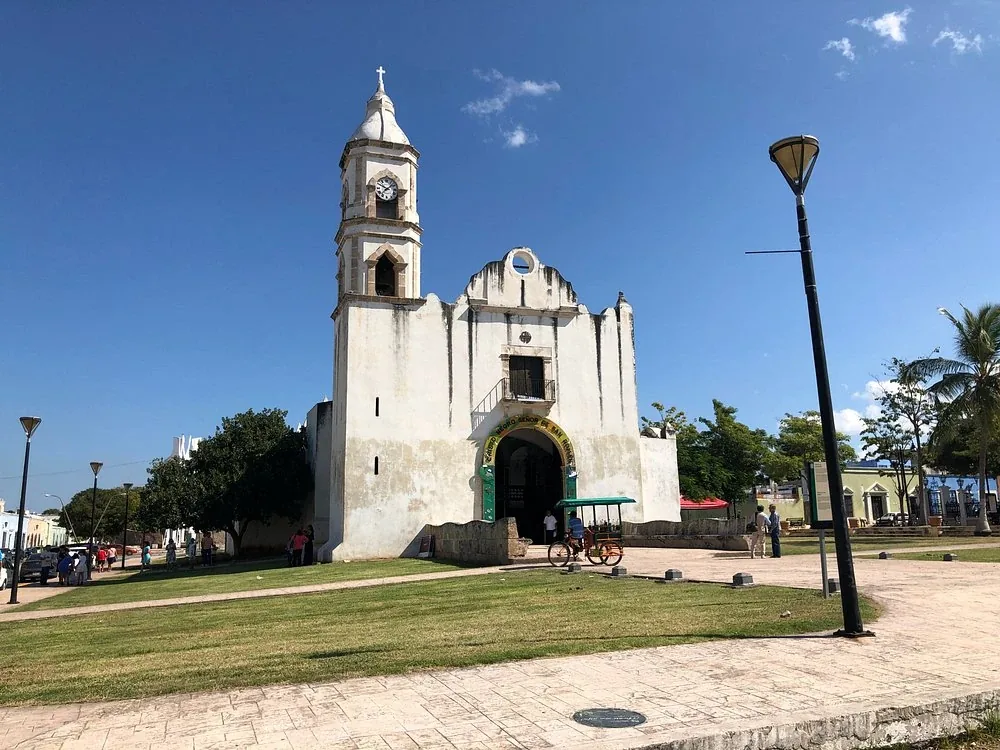
San Román, home of the beloved Black Christ.
Guadalupe, Santa Ana and San Martín
- Guadalupe: gathered around one of the most beloved churches, with a lively square and traditional commerce.
- Santa Ana: beside the Land Gate, it was the threshold between the countryside and the walled city.
- San Martín: the most intimate and residential, perfect for getting lost among pastel façades with no plan but to look.
| Neighbourhood | Church | Its signature |
|---|---|---|
| San Francisco | San Francisco (1546) | The oldest; the first Mass of 1517 |
| San Román | San Román | The Black Christ (1565); a fishing quarter |
| Guadalupe | Guadalupe | A lively square and traditional trade |
| Santa Ana | Santa Ana | By the Land Gate; the threshold to the walled city |
| San Martín | San Martín | The most intimate and residential; pastel facades |
Colour, scale and authenticity
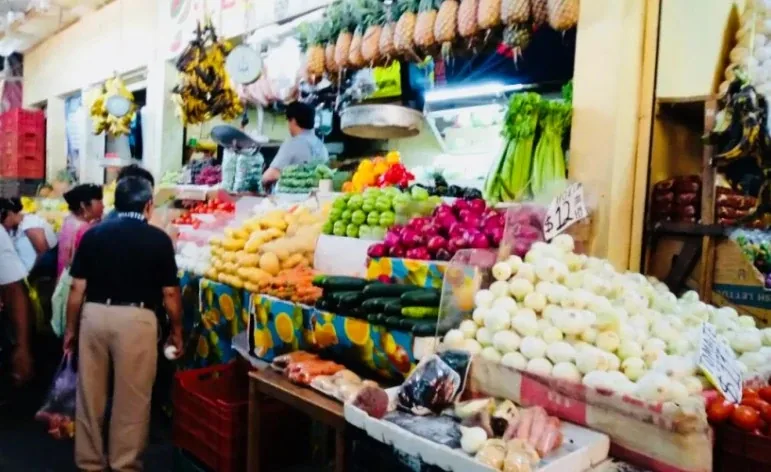
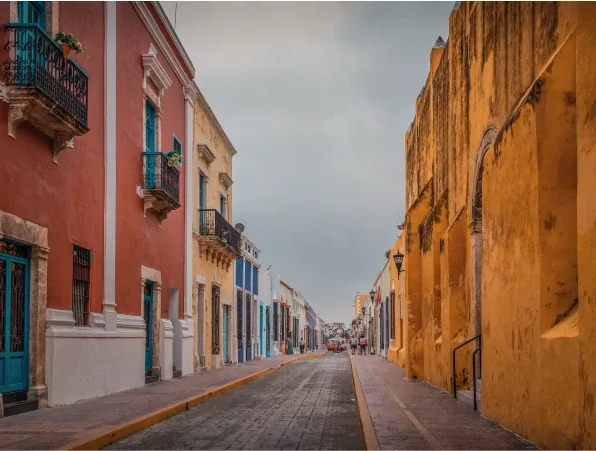
What makes these neighbourhoods unforgettable is not any single monument but the whole: the human scale of one-storey houses, the centuries-old parish churches, the markets and sweet shops, and a plaza life that has not been set up for the camera. To understand why Campeche is painted the way it is, it is worth reading about its painted houses and colonial palette.
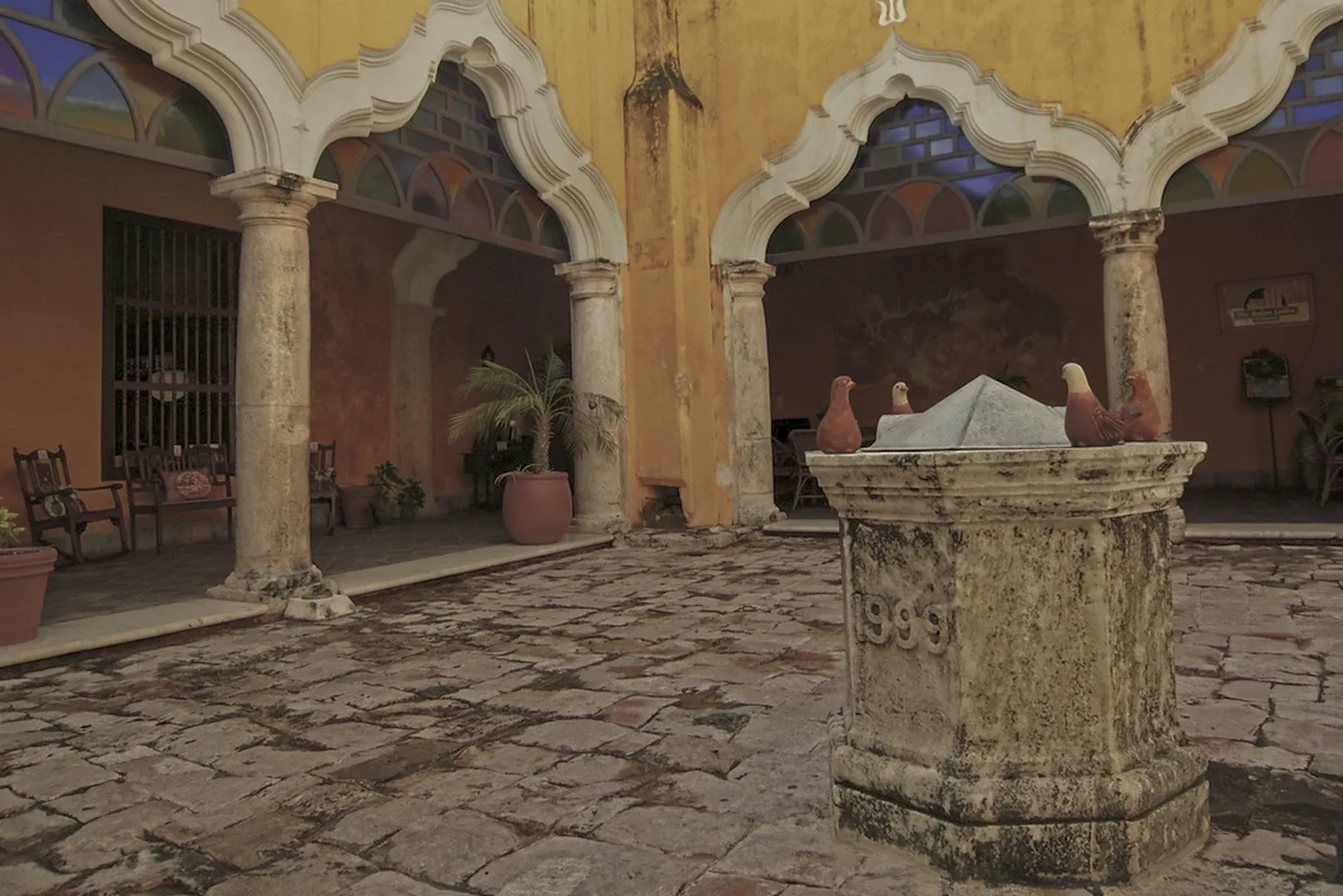
A one-storey pastel facade, the human scale of the neighbourhoods. · Photo: Casa Seis
How to explore them
The five neighbourhoods ring the centre and link on short walks; a couple of mornings is enough to catch their character. They grew, precisely, on the far side of the wall that defended the city, and fit well into a weekend in the centre. Pair them with the walled city and its museums, go deeper into their colonial house architecture, and set aside an afternoon for Campeche cuisine, which the neighbourhoods serve in its most authentic form. When you are ready to stay, our collection places you in the heart of this city.
Frequently asked questions
What are the five traditional neighbourhoods of Campeche?
San Román, Guadalupe, San Francisco, Santa Ana and San Martín. They grew up outside the walls, around the churches that give them their names, to house the Indigenous, mestizo and African-descended communities that sustained the port's life.
Why are the neighbourhoods outside the wall?
Because the Spanish elite lived inside the walled enclosure. The neighbourhoods grew just beyond it, each around its own church, and kept distinct traditions, trades and festivals that still set them apart today.
Which neighbourhood should I visit first?
San Román, for its church of the Black Christ, one of the city's most beloved devotions, and San Francisco, the oldest barrio, where the first church on the American mainland was built. Both are a short walk from the centre.
What makes Campeche's neighbourhoods unique?
Their human scale and authenticity: streets of low, brightly coloured houses, centuries-old parish churches, markets, traditional sweet shops and a plaza life that has not been staged for tourism.
Can you explore them on foot?
Yes. The five neighbourhoods ring the historic centre and link together on short walks. Wandering them slowly, on foot, is the best way to understand how colonial Campeche was really organised.
Reviewed and fact-checked in July 2026 by the Casonas MX editorial team in Campeche, with the dates of the first Mass (1517) and the Black Christ (1565) cross-checked against INAH and historical sources. We host our guests in the heart of these neighbourhoods, inside the historic city.
Planning your trip? Write to us on WhatsApp and we will send you Campeche in 72 Hours, our pocket guide, free of charge.
Receive the guide on WhatsApp →